

What Is the Gut Microbiome? A Complete Guide
Written by Karly Raven, BHSc - Naturopath and SIBO Specialist, Nourished Gut Clinic
Last updated: August 2026
Listen to the episode: Episode 85 of the Nourished Gut Podcast on Spotify
Most people have heard the word microbiome. Not many know what it actually means for their health, or why it matters so much.
Your gut microbiome is the vast community of microorganisms living in your digestive tract. Around 100 trillion of them. Bacteria, fungi, viruses, and more, all working together in a system that influences almost every aspect of your wellbeing.
As a naturopath specialising in gut health at the Nourished Gut Clinic, I work with the microbiome every day in clinic. And the research emerging in this space is reshaping how we understand gut conditions like IBS, SIBO, and IBD, as well as the broader connections between gut health and mood, skin, immunity, and hormones.
This guide breaks down what you need to know, in plain English, with the clinical context most gut health content leaves out.
Jump to a section
- What is the gut microbiome?
- Why microbiome diversity matters
- What disrupts the gut microbiome?
- How to restore microbiome diversity
- Frequently asked questions
What Is the Gut Microbiome?
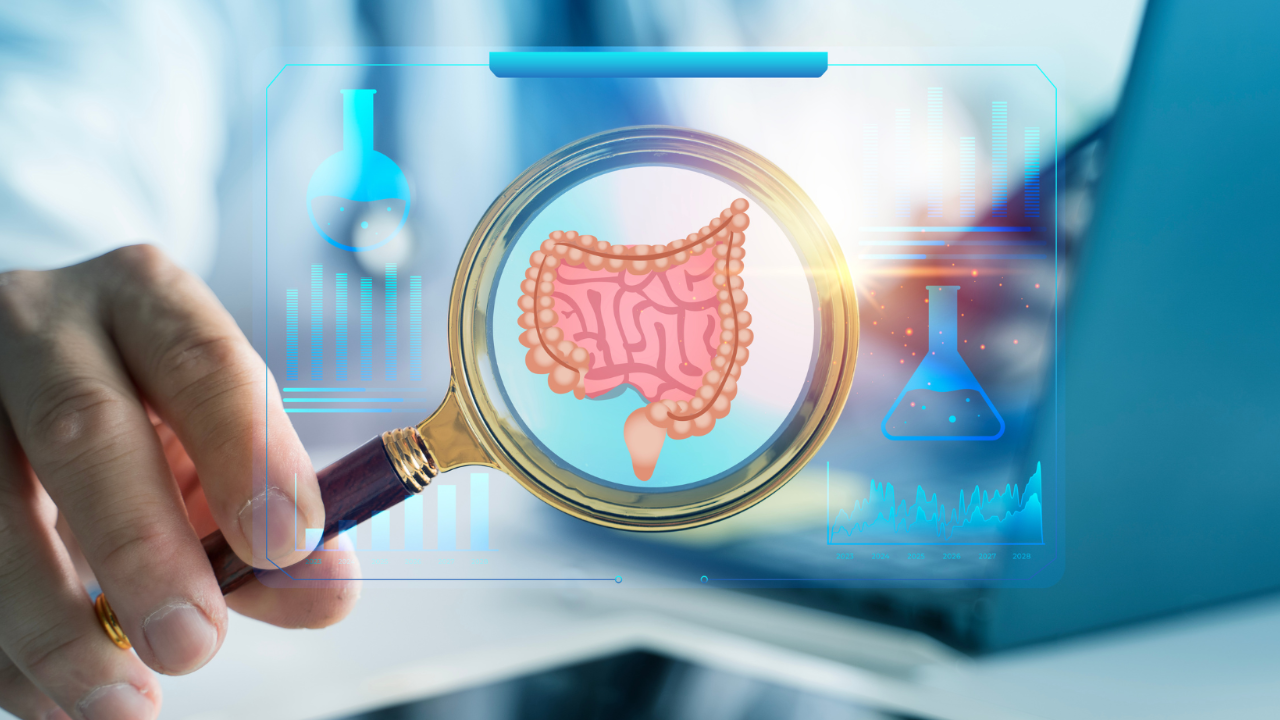
Your gut microbiome refers to the collective community of microorganisms living primarily in your large intestine. This includes bacteria, the most studied group, but also fungi, viruses, archaea, and other organisms we are still learning about.
A 2016 study published in Cell by Sender and colleagues revised earlier estimates and found that the ratio of bacterial cells to human cells in the body is approximately 1:1. In other words, you are as much microbial as you are human.
Each person's microbiome is unique, shaped by birth history, diet, environment, medications, stress, and more. But regardless of individual variation, one factor consistently predicts gut health outcomes: diversity. The number and variety of species living in your gut.
Think of it like a rainforest. The health of a rainforest is not determined by how many of one tree species there are. It is determined by the complexity of the whole ecosystem. Remove enough species, and the whole thing becomes fragile and vulnerable to disruption. The same principle applies to your gut.
It is worth knowing that your small intestine has its own microbial community as well, distinct from the large bowel. When that community loses its balance you get small intestinal bacterial overgrowth, which I cover in the three types of SIBO.
Why Microbiome Diversity Matters
A diverse microbiome is a resilient microbiome. When you have a wide range of species, your gut ecosystem can perform more functions, recover more readily from disruption, and keep opportunistic bacteria in check.
One of the most important things a diverse microbiome does is produce short-chain fatty acids (SCFAs), particularly butyrate. Butyrate is the primary fuel source for your colonocytes, the cells lining your large intestine. Without adequate butyrate production, the gut lining becomes more vulnerable to damage and inflammation.
Low butyrate is associated with increased intestinal permeability (sometimes called leaky gut), where the tight junctions between gut lining cells loosen and allow bacterial fragments, food proteins, and inflammatory compounds to pass into the bloodstream. This is one of the key mechanisms linking poor microbiome diversity to conditions well beyond the gut itself.
A diverse microbiome also plays a central role in immune regulation. The majority of your immune tissue is housed in and around the gut wall, and the microbiome is in constant communication with it. Beneficial bacteria help train the immune system to distinguish between harmful pathogens and harmless substances. When diversity is low, this calibration goes off, and the immune system becomes more reactive.
Research consistently links lower microbiome diversity with higher rates of:
- IBS and IBD
- Obesity and metabolic conditions
- Depression and anxiety
- Autoimmune conditions
- Skin conditions including eczema and psoriasis
- Recurrent infections and slow immune recovery
This is why, at the Nourished Gut Clinic, restoring microbiome diversity is always part of the treatment picture. Not a nice-to-have, but a clinical priority.
What Disrupts the Gut Microbiome?
Dysbiosis, meaning an imbalance or disruption in the microbiome, is far more common than most people realise. And it is driven by more than antibiotics, though they are an important one.
Common causes of dysbiosis include:
- Antibiotics. Effective and sometimes essential, but they reduce microbial diversity without discrimination. Studies suggest full recovery can take months without active restoration.
- Chronic stress and nervous system dysregulation. The gut-brain axis is bidirectional. Prolonged stress alters gut motility, intestinal permeability, and microbial balance via the vagus nerve.
- Ultra-processed, low-fibre diets. The microbiome runs on fibre. Without enough diversity of plant foods, beneficial species gradually decline and opportunistic species fill the gap.
- Gut infections. H. pylori, parasites, or post-infectious dysbiosis following gastroenteritis can significantly disrupt the microbial community, sometimes for years.
- Long-term restrictive diets. Short-term restriction can be helpful for symptom management, but without a restoration phase, it reduces the prebiotic fibre that beneficial bacteria depend on.
- Proton pump inhibitors (PPIs) and other medications. Long-term use of PPIs, oral contraceptives, and NSAIDs can each alter the gut environment and microbial composition in ways that compound over time.
Clinically, I see these factors compound. Someone who has had multiple antibiotic courses, been through a long period of dietary restriction, and is under significant chronic stress has often depleted their microbiome from multiple angles simultaneously. That layered depletion is the starting point for rebuilding.
How to Restore Microbiome Diversity
The good news is that the microbiome is dynamic. It responds to what you feed it, how you sleep, how you move, and how you regulate your nervous system. That means it can be actively restored, and that restoration changes your symptom picture.
The most evidence-based strategies for building diversity include:
- Eating 30 or more different plant foods per week. The American Gut Project, one of the largest citizen science microbiome studies, found significantly higher diversity in people consuming 30 or more different plant types weekly compared to those eating 10 or fewer. This includes herbs, spices, legumes, nuts, and seeds, not just vegetables and fruit. Variety matters more than volume.
- Including prebiotic fibres daily. Garlic, onion, leek, asparagus, oats, green banana, and Jerusalem artichoke specifically feed the beneficial species you want to grow. These are reliable fuels for the bacteria that produce butyrate and support the gut lining. If you have active SIBO or IMO, these are staged in later rather than started straight away.
- Introducing fermented foods gradually. Yoghurt, kefir, sauerkraut, kimchi, and miso support diversity and reduce inflammatory markers. A 2021 Stanford study found that a high-fermented-food diet increased microbiome diversity and reduced circulating inflammatory proteins. Those with SIBO or histamine intolerance may need to introduce these very gradually and in small amounts initially.
- Prioritising sleep. Gut bacteria have their own circadian rhythm. Disrupted sleep, including irregular sleep timing, consistently reduces microbial diversity. Consistent, quality sleep is a non-negotiable part of microbiome restoration, not an optional extra.
- Nervous system regulation. Breathwork, movement, time in nature, and therapeutic support all reduce the chronic stress that directly disrupts gut function via the vagus nerve and HPA axis. In clinical practice, nervous system work is often what finally breaks the cycle for people who have done everything else.
This is the foundation of the Feed Forward approach I use at the Nourished Gut Clinic: restoring digestive function and microbiome health as the basis for lasting symptom resolution, rather than continuing to suppress symptoms without addressing what is driving them. The SIBO Restore Diet is how that plays out on the plate.
Frequently Asked Questions
Can the gut microbiome fully recover after antibiotics?
Yes, but it often needs active support to do so. Research shows that the microbiome can begin recovering within weeks of finishing antibiotics, but full recovery to pre-treatment diversity may take months, and some studies suggest it may not fully restore without targeted intervention. The specific impact depends on the type of antibiotic, the duration, and how many previous courses you have had. A naturopath can guide post-antibiotic restoration specific to your history, using strain-specific probiotic therapy and prebiotic fibre protocols.
How do I know if my microbiome is out of balance?
There is no single test that gives a perfect picture, but symptoms like persistent bloating, irregular bowels, growing food intolerances, frequent infections, fatigue, and skin flares are common clinical signs of dysbiosis. Comprehensive stool microbiome testing is not a validated diagnostic test, and there are no accepted reference ranges for what a healthy microbiome looks like, so it cannot diagnose a condition on its own. A 2025 international consensus published in The Lancet Gastroenterology and Hepatology found insufficient evidence for routine microbiome testing and discouraged patients ordering it themselves without clinical guidance. Used alongside your full clinical history, it can still offer useful context about species diversity and abundance. At the Nourished Gut Clinic, testing is used as one piece of the puzzle, not the whole answer.
How long does it take to restore microbiome diversity?
This is one of the most common questions I get, and the honest answer is that it varies. Dietary changes like increasing plant food diversity can begin shifting the microbiome within two to four weeks. More significant restoration, particularly after repeated antibiotic use or a prolonged history of restrictive dieting, typically takes three to six months of consistent, targeted support. The timeline depends on your starting point, the consistency of your approach, and whether underlying drivers like stress or gut infections have been addressed.
Is a low-FODMAP diet good for the microbiome?
Short-term use for symptom management can be helpful, particularly for IBS. But research shows that long-term low-FODMAP diets reduce the abundance of beneficial bacteria, including Bifidobacteria, because these species rely on the fermentable carbohydrates the diet restricts. The goal is always to work toward reintroduction and expanding dietary diversity, not permanent restriction. If you have been on a low-FODMAP diet for more than six to eight weeks without a reintroduction phase, it is worth speaking with a practitioner about next steps.
Do I need to take a probiotic to improve my microbiome?
Not necessarily, and not all probiotics are equal. The evidence for probiotics is strain-specific. Some strains are well supported for particular conditions, including Lactobacillus rhamnosus GG for antibiotic-associated diarrhoea and Saccharomyces boulardii for gut infection recovery. But a general off-the-shelf probiotic is unlikely to significantly shift microbiome diversity on its own. Diet, sleep, stress management, and targeted prebiotic support tend to have a greater long-term impact on diversity than supplementation alone.
Ready to start restoring?
Understanding your microbiome is the first step. If you are dealing with persistent gut symptoms, bloating, or food intolerances and you are ready to move beyond symptom management, there are a few good starting points.
Grab the free 3-Day Bloat Fix for a practical, evidence-based place to begin.
Or listen to Episode 85 of the Nourished Gut Podcast for the full clinical breakdown of everything covered here.
Applications to work one-on-one with me through the Nourished Gut Program are open. I take five new clients per month, and you can apply for a free Digestive Strategy Session, a 20 minute telehealth call, to talk it through first.
Karly Raven, BHSc is a naturopath, microbiome restoration specialist, and SIBO expert. She is the founder of the Nourished Gut Clinic and creator of the Feed Forward methodology and the SIBO Restore Diet. Karly works with people with IBS, SIBO, IBD and chronic gut conditions, and mentors health practitioners through karlyraven.com.
This blog is for educational purposes only and does not constitute medical advice. Please consult a qualified health practitioner before making changes to your treatment plan.